 Pin It
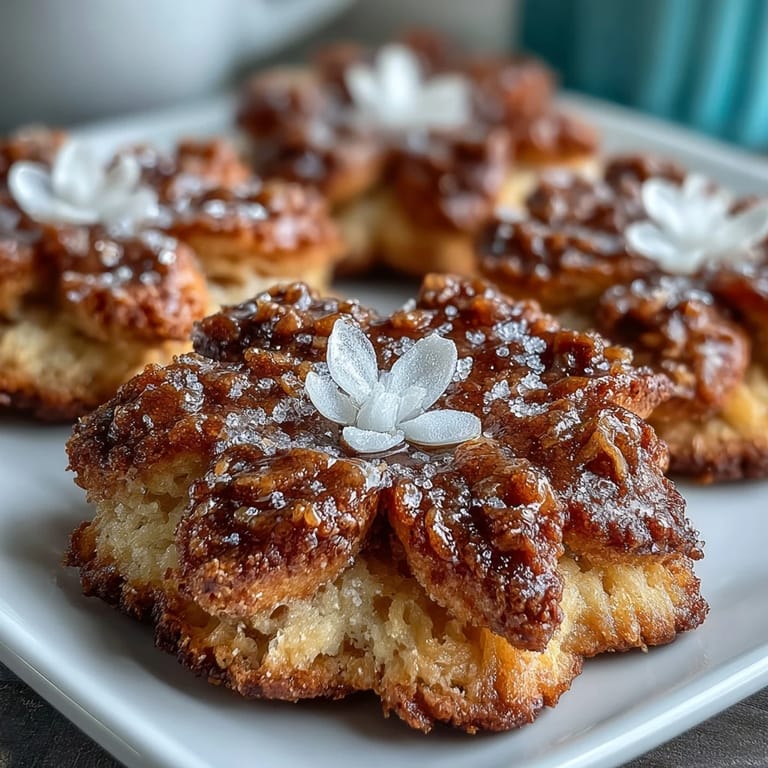
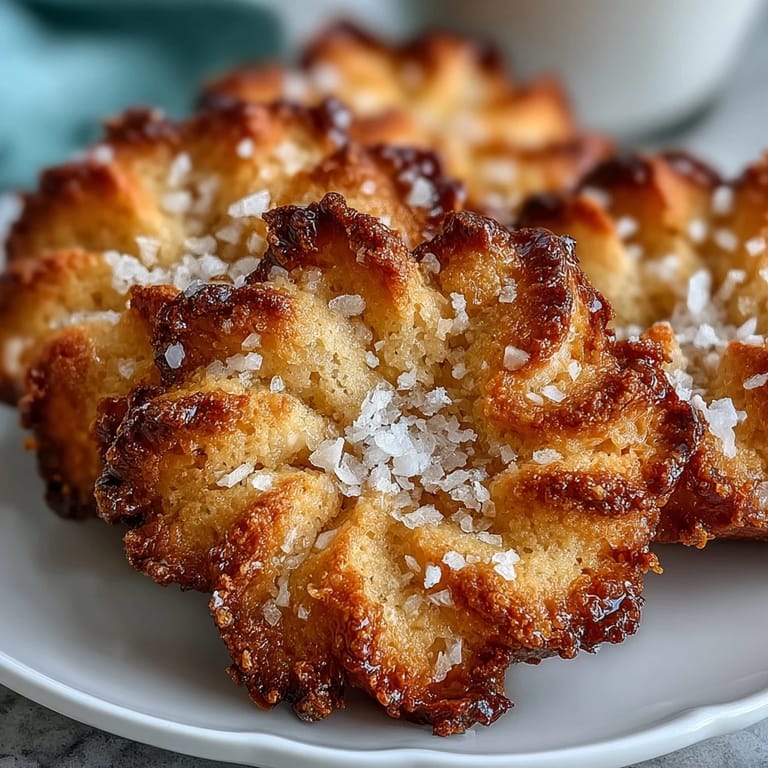
 My neighbor brought over a tin of these flower-shaped shortbread cookies last spring, and I couldn't stop eating them straight from the box while standing in my kitchen. The butter melted on my tongue, and suddenly I understood why people get excited about simple things done perfectly. I borrowed her flower cutter that afternoon and never looked back, because once you've made shortbread this way, you realize it's the most forgiving, rewarding dough you'll ever work with.
I made three dozen of these last April for my daughter's birthday tea party, and watching five-year-olds carefully place edible flowers on warm cookies was chaos and magic at the same time. One child bit hers before it cooled and burned the roof of her mouth slightly, but still went back for another, which tells you everything about how good shortbread really is. That afternoon, someone's grandmother asked for the recipe, and I realized these simple cookies had become the thing people remembered about the party.
Ingredients
- Unsalted butter, softened (1 cup): This is where all the magic lives, so use real butter and let it sit on the counter until it's actually soft—pressing your finger through it should leave a gentle dent.
- Granulated sugar (1/2 cup): The sweetness should be understated so the buttery flavor shines through.
- All-purpose flour (2 cups): Don't sift obsessively, but do measure by spooning and leveling for consistent cookies.
- Cornstarch (1/4 cup): This ingredient creates that tender, almost sandy texture that makes shortbread famous—don't skip it.
- Fine sea salt (1/4 tsp): A tiny pinch that you won't taste but will absolutely notice is missing if you forget it.
- Vanilla extract (1 tsp): For extra flavor, consider adding zest from a lemon or orange instead or alongside it.
- Coarse sanding sugar, colored sprinkles, powdered sugar, or edible flowers: Choose whichever calls to you, or use all of them if you're feeling celebratory.
Tired of Takeout? 🥡
Get 10 meals you can make faster than delivery arrives. Seriously.
One email. No spam. Unsubscribe anytime.
Instructions
- Preheat and prepare:
- Heat your oven to 350°F and line two baking sheets with parchment paper so the cookies don't stick.
- Cream the butter and sugar:
- Beat them together in a large bowl until they look pale and fluffy, which takes about two to three minutes with an electric mixer. This step is worth doing properly because it creates air pockets that give the cookies their delicate crumb.
- Add vanilla:
- Stir in the vanilla extract and mix until combined.
- Combine the dry ingredients:
- In another bowl, whisk together the flour, cornstarch, and salt so everything is evenly distributed.
- Bring dough together:
- Add the dry mixture to the butter mixture slowly, stirring gently until the dough just comes together—this is the moment to stop, because overworking makes the cookies tough instead of tender.
- Roll and cut:
- Turn the dough onto a lightly floured surface and roll it to about 1/4-inch thickness. Using a flower-shaped cutter, cut out cookies and place them on your prepared baking sheets about an inch apart.
- Decorate before baking:
- If using sanding sugar or edible flowers, add them now while the dough is still slightly tacky and they'll stick better.
- Bake to golden edges:
- Bake for 12 to 15 minutes, watching for the very edges to turn just golden—the centers should still look slightly underdone because they'll continue cooking as they cool.
- Cool properly:
- Let the cookies sit on the baking sheet for five minutes so they firm up slightly, then transfer them to a wire rack to cool completely.
- Final decoration:
- Once completely cool, dust with powdered sugar or decorate with pastel icing if you skipped the before-baking route.
 Pin It
 These cookies became my comfort baking during a rainy February when nothing else felt right, and something about pressing flowers onto warm dough made the day better. Every batch I make reminds me that good shortbread isn't about being fancy—it's about taking care with simple things.
The Science of Tender Shortbread
Shortbread works because of a beautiful balance between fat and flour, with cornstarch being the secret weapon that prevents gluten from developing into chewy strands. The butter coats the flour particles so thoroughly that water can't activate the gluten, which is why you end up with that famous crumbly texture that's almost sandy in your mouth. Understanding this takes the mystery out of why gentle handling matters so much.
Flavor Variations Worth Trying
I've added cardamom, almond extract, and lavender to different batches, and each one shifted the entire character of the cookie without changing the method at all. Citrus zest works beautifully if you replace the vanilla with finely grated lemon or orange, creating something bright and almost sophisticated. Rose water is another friend who brought over a version that I couldn't stop thinking about for weeks.
Storage and Make-Ahead Magic
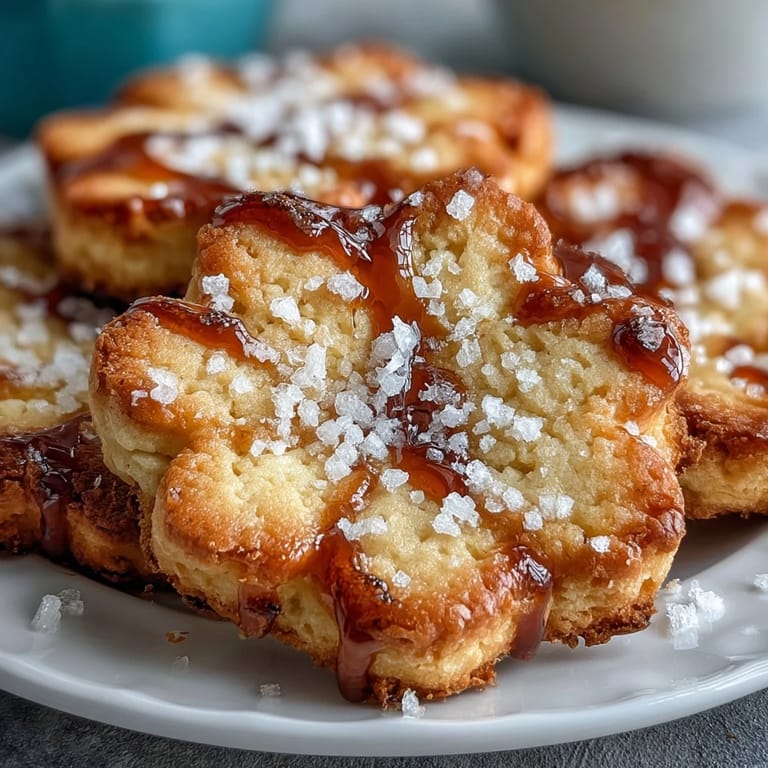
These cookies keep for a full week in an airtight container, which means you can make them on Sunday and still have something perfect to serve on Friday afternoon tea. The dough also freezes beautifully for up to two months, so you can roll, cut, and freeze on a quiet day, then bake whenever you need instant hospitality. They thaw quickly at room temperature if you want to decorate them fresh, or you can bake straight from frozen and add just a minute or two to the baking time.
- Cool the cookies completely before storing them, otherwise condensation will make them soft.
- Layer parchment between cookies if stacking them in the container.
- Let frozen dough sit on the counter for just five minutes before baking so the edges don't burn while the centers cook through.
 Pin It
 These cookies are one of those recipes that feels too simple to be true until you bite into one and remember why food this good doesn't need to be complicated. They'll become your secret weapon for turning an ordinary moment into something people remember.
Recipe FAQs
- → What ingredients make the dough tender?
The dough’s tenderness comes from using a high ratio of butter and a combination of all-purpose flour with cornstarch, which lightens the texture.
- → How do I prevent the cookies from spreading too much?
Chilling the dough before cutting and making sure not to overwork it helps maintain the flower shapes during baking.
- → Can I add flavors to the shortbread?
Yes, finely grated lemon or orange zest can be added to the dough for a subtle citrus aroma and fresh taste.
- → What’s the best way to decorate these shortbreads?
Sprinkling sanding sugar, pressing in edible flower petals, or dusting powdered sugar after baking enhances appearance without overpowering flavor.
- → How should these shortbreads be stored?
Store cooled cookies in an airtight container at room temperature for up to one week to keep them crisp and fresh.
- → Are these suitable for vegetarians?
Yes, the ingredients used are vegetarian-friendly, including butter and vanilla extract.