 Pin It
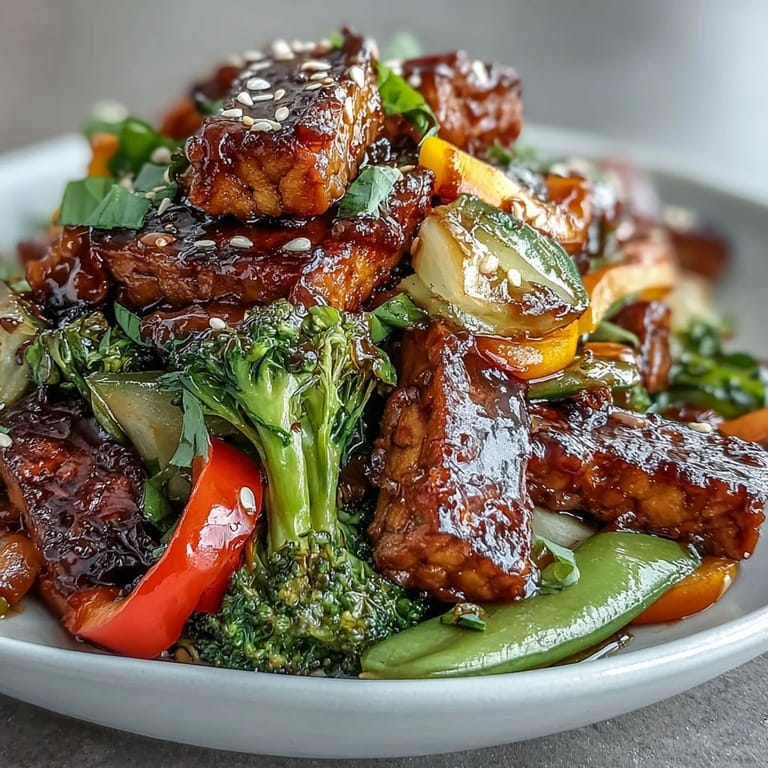
 There's something about the sizzle of tempeh hitting a hot wok that makes me feel like I'm cooking something real, something that matters. This vegetable tempeh stir-fry happened almost by accident one Tuesday when I had a fridge full of colorful vegetables and wanted something that felt both nourishing and exciting. The beauty of it is how quickly it comes together, turning simple ingredients into something vibrant and deeply satisfying. I've made it countless times since, and it never feels routine because the vegetables change with the seasons and my mood. It's become my go-to when I want to prove to myself that plant-based cooking isn't about deprivation—it's about abundance.
I made this for my friend Marcus who'd been skeptical about tempeh for years, convinced it was some kind of culinary punishment. Watching him taste it, seeing his eyebrows go up, and then reach for seconds without saying a word—that's when I knew this recipe had something special. He later admitted the crispy edges and the way the sauce clung to everything made him rethink what plant-based cooking could be. That one meal shifted something in our kitchen friendship, and now it's what he requests when he knows I'm cooking.
Ingredients
- Tempeh: Cut into cubes roughly the size of a thumbnail so they crisp up on the edges while staying creamy inside; buying a good quality tempeh makes all the difference, and I've learned that the grainier ones have more character than the super-smooth varieties.
- Red and yellow bell peppers: Their sweetness balances the umami of the soy sauce, and slicing them thin means they cook just enough to soften without losing that satisfying bite.
- Carrot: Julienning it thin is the key so it doesn't dominate the texture; thick carrot chunks will throw off the entire balance of the dish.
- Sugar snap peas and broccoli: These stay crisp if you don't overcrowd the wok and keep the heat high, so they add both nutrition and that fresh garden feeling to every bite.
- Garlic and ginger: The 30-second bloom in hot oil is non-negotiable; rushing this step wastes their aromatic power, but letting them burn turns bitter.
- Soy sauce: Use tamari if gluten matters to you, but honestly, the umami depth is what makes this sauce work, so don't skimp on quality.
- Rice vinegar: It's gentler than regular vinegar and adds brightness without sharpness; white vinegar will throw off the whole flavor balance.
- Maple syrup or agave: A touch of sweetness rounds out the salty-savory elements and helps the sauce caramelize just slightly on the vegetables.
- Sesame oil: Just one teaspoon is all you need; this stuff is potent, and that toasted nuttiness is the flavor that makes people wonder what you did.
- Cornstarch: This is your secret to a sauce that clings rather than puddles; it thickens at the last moment and gives you that glossy, restaurant-quality finish.
- Vegetable oil: Keep it neutral so the other flavors shine, and use enough that your tempeh can get crispy without sticking.
Tired of Takeout? 🥡
Get 10 meals you can make faster than delivery arrives. Seriously.
One email. No spam. Unsubscribe anytime.
Instructions
- Make the sauce first:
- Whisk together soy sauce, water, rice vinegar, maple syrup, sesame oil, and cornstarch in a small bowl, making sure the cornstarch dissolves completely so you don't end up with starchy lumps later. Set it aside and let it sit while you prep everything else, because timing matters in stir-frying and you don't want to be scrambling at the hot wok.
- Crisp the tempeh:
- Heat one tablespoon of oil in a large wok or skillet over medium-high heat until it shimmers, then add the tempeh cubes and let them sit for a moment before stirring so they develop that golden, nutty crust. This takes 4–5 minutes total, and you'll know it's done when the edges are deeply browned and the kitchen smells incredible.
- Bloom the aromatics:
- Pour the remaining oil into the now-empty wok, add your minced garlic and ginger, and stir constantly for about 30 seconds until the smell hits you like a warm hug. Don't walk away from this step; that short window is when the magic happens, transforming raw harshness into sweet, fragrant warmth.
- Build the vegetable layers:
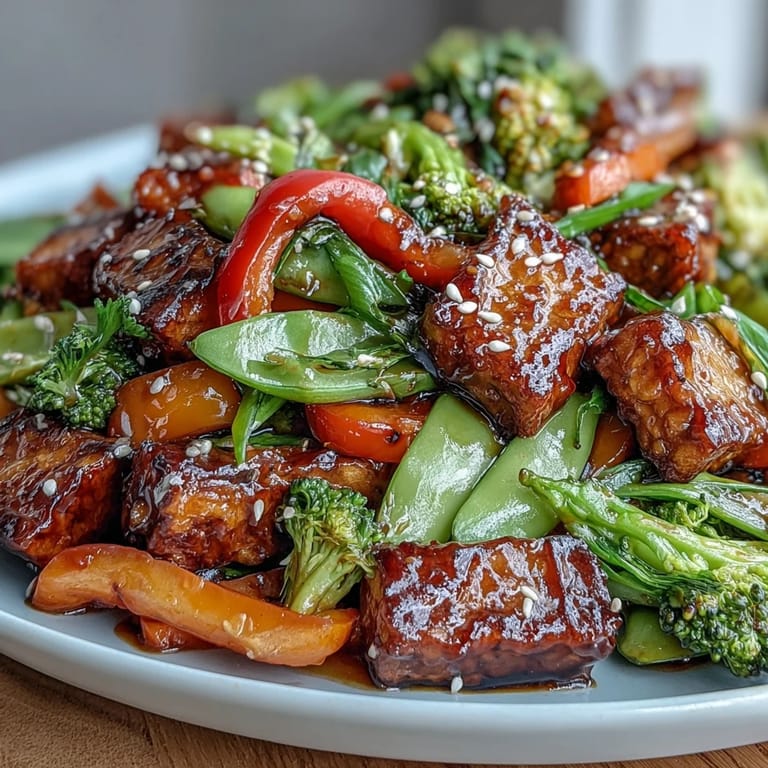
- Add bell peppers, carrot, sugar snap peas, and broccoli all at once, then stir-fry for 4–5 minutes over that same high heat, tossing everything frequently so each piece gets kissed by the hot oil. You're looking for vegetables that still have some resistance when you bite them, not soft or mushy.
- Bring it all together:
- Return the tempeh to the wok, give the sauce a final stir to wake up the cornstarch, then pour it over everything and toss vigorously for 1–2 minutes. The sauce will thicken before your eyes, coating each piece of tempeh and vegetable in a glossy, savory glaze.
- Finish with freshness:
- Remove from heat, scatter the sliced spring onions across the top, then add sesame seeds and coriander if you're using them. Serve it hot over rice or noodles while the sauce is still silky.
 Pin It
 One rainy Saturday, I made this for my sister who was going through a phase of doubting whether she'd ever enjoy cooking for herself. She stood at the wok while I guided her through the steps, and I watched her face light up when she realized she could make something this delicious without any fuss or fancy techniques. She's made it at least a dozen times since, each time adding her own twist, and that dish became the thing that gave her confidence in the kitchen. Food has a way of doing that sometimes—it's not just sustenance, it's permission.
The Truth About Tempeh
Tempeh gets a bad reputation from people who've only ever had it prepared badly, which is a shame because it's genuinely one of the most rewarding plant proteins to cook with once you understand what it wants. It's firmer and nuttier than tofu, with a slightly grainy texture that comes from the fermented soybeans bound together, and that structure means it can actually crisp up and develop flavor. The key is treating it with the same respect you'd give any protein—season it, let it brown, build a crust. I learned this the hard way after years of boiling it or steaming it, thinking that was what it needed, when really it was waiting for heat and oil to show its true character.
Vegetable Flexibility and Seasonal Swaps
The beauty of a stir-fry is that it's a template, not a rule book, so your vegetables can completely change based on what's in season or what's hiding in your fridge. In summer, I add zucchini, baby corn, and fresh basil. In cooler months, I lean toward mushrooms, baby bok choy, and maybe some water chestnuts for crunch. The one thing I've learned is to keep your timing in mind—harder vegetables like carrots and broccoli go in first, softer ones like snap peas and green beans go in later so they don't turn to mush. This flexibility means I never get bored, and I'm always using what's fresh and what I can afford.
Heat Levels and Flavor Customization
The base sauce is balanced and approachable, but it's also a canvas for your personal heat tolerance and flavor preferences. If you like things spicy, a pinch of chili flakes or a teaspoon of sriracha stirred into the sauce at the end adds real fire without overpowering the other flavors. I've also experimented with adding a splash of orange juice for brightness, or a touch of soy sauce for extra umami when I'm feeling that deep savory mood. The cornstarch keeps the sauce stable regardless of what you add, so you can play without worrying you'll break it.
- Start with the base recipe first so you know what you're working with, then customize once you've made it a few times and know your preferences.
- Remember that the sauce continues to thicken slightly as it cools, so if it looks a little loose at the end of cooking, that's actually perfect.
- Taste as you go and adjust the vinegar or soy sauce if you want it more salty or tangy, because those adjustments happen in seconds.
 Pin It
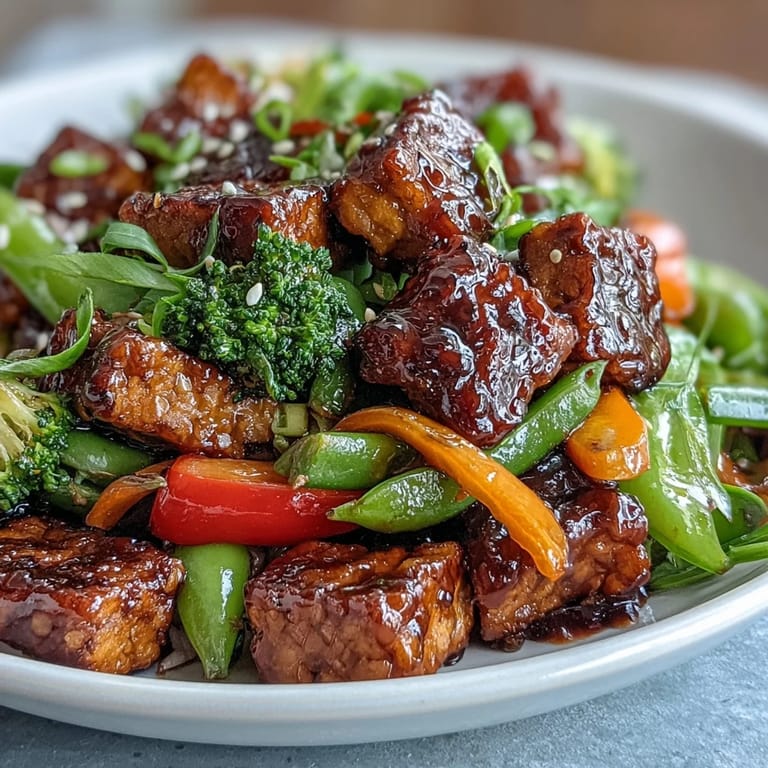
 This stir-fry has become one of those dishes that feels both simple and special, the kind of meal that nourishes you in multiple ways. Make it once and it becomes yours—adaptable, reliable, and genuinely delicious.
Recipe FAQs
- → What vegetables work best in this stir-fry?
Bell peppers, carrots, broccoli, and sugar snap peas provide excellent texture contrast. You can also add mushrooms, baby corn, zucchini, or bok choy depending on season and preference.
- → How do I prevent tempeh from being bitter?
Steaming tempeh for 10 minutes before cubing and cooking removes any natural bitterness. Pan-frying until golden also mellows the flavor and creates satisfying crispy edges.
- → Can I make this gluten-free?
Yes, simply substitute regular soy sauce with tamari. All other ingredients including tempeh, vegetables, and seasonings are naturally gluten-free.
- → What should I serve with this dish?
Steamed jasmine rice, brown rice, or soba noodles make perfect accompaniments. The sauce coats the grains beautifully, creating a complete satisfying meal.
- → How long do leftovers keep?
Store in an airtight container in the refrigerator for up to 3 days. Reheat gently in a skillet or microwave, though vegetables will soften slightly. The tempeh maintains its texture well.
- → Can I add more protein?
Edamame, cashews, or tofu cubes can be added alongside tempeh. For non-vegan versions, sliced chicken breast or shrimp work wonderfully with these Asian flavors.