 Pin It
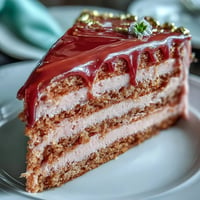
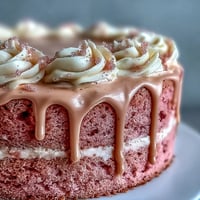
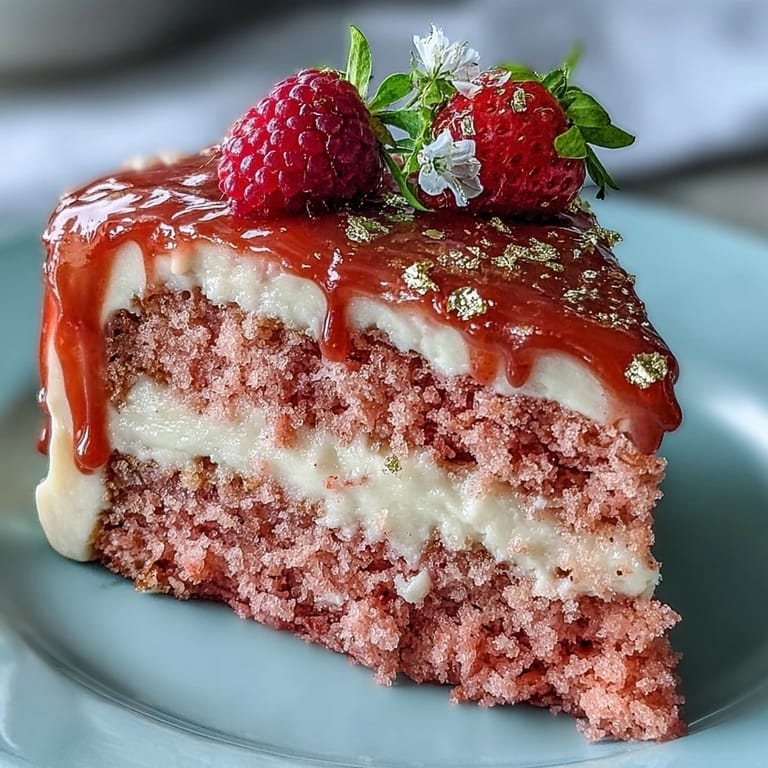
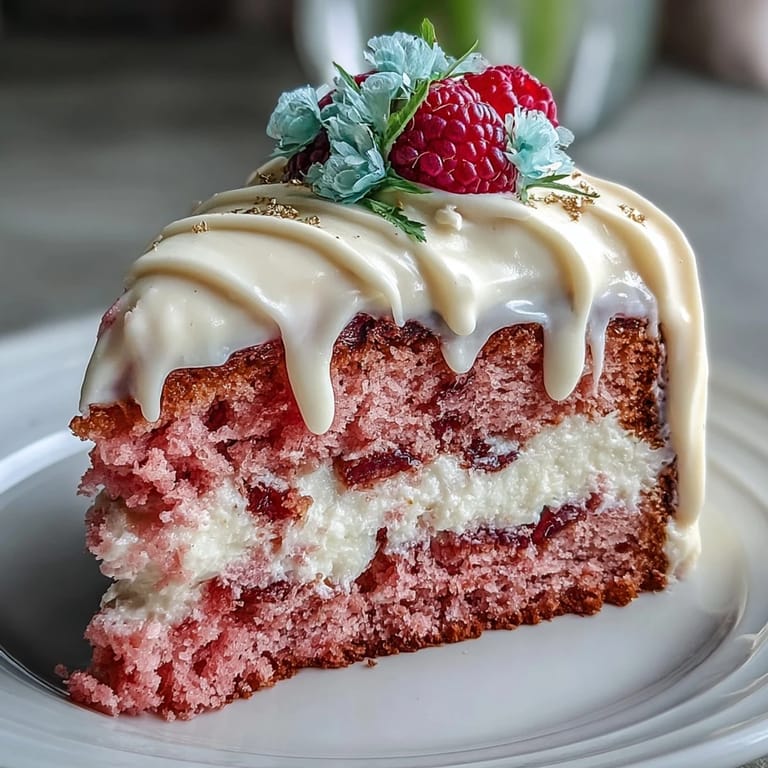
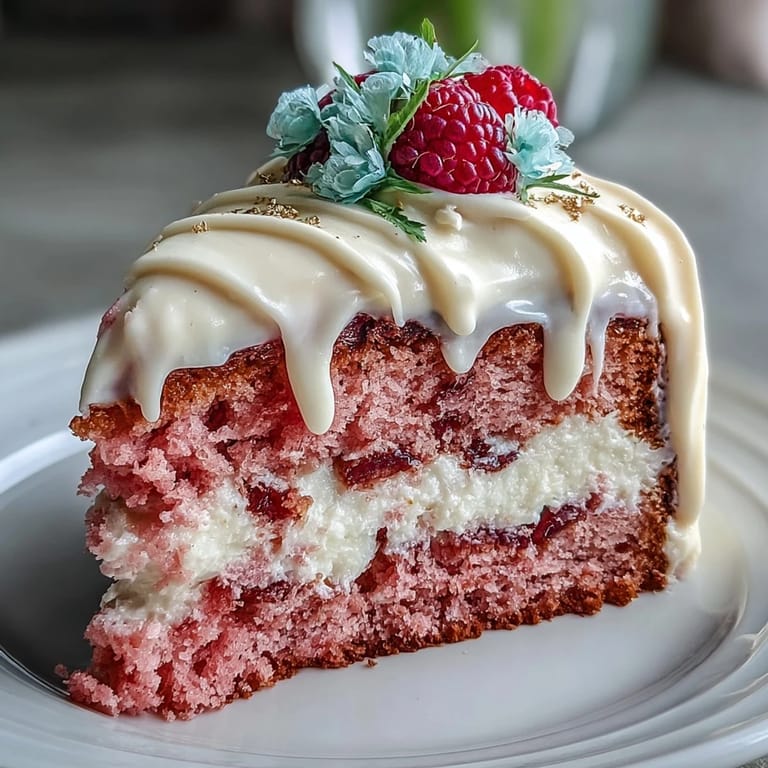
 When I first thought of making a cake with rosé, it wasn’t because I had a big reason—it was just a bottle leftover from a picnic, and the color was too pretty to ignore. One curious afternoon, I poured a little into cake batter on a whim, and what came out was a soft blush-pink crumb, full of floral notes and a scent that lingered in the kitchen long after baking. The best part was glancing at the cooling cakes while humming to myself, wondering if I could add a bit more magic. That’s how the Bridal Shower Rosé Velvet Cake—finished with a golden drip—came into my celebration recipe collection. It felt quietly luxurious and a little playful, exactly what I’d want for a day of laughter and toasts.
I still remember nervously carrying the finished cake into the sunlit room, my hands lightly dusted with gold luster like accidental fairy dust, and everyone gasping before the first slice was cut. The scent of vanilla and rosé mingled together, making the whole table feel like a summer garden party.
Ingredients
- All-purpose flour: Essential for structure—a light hand with mixing keeps the cake tender.
- Cornstarch: Don’t skip this—just a touch ensures a finer, velvet-like crumb.
- Unsweetened cocoa powder: Just enough for depth without overwhelming the rosy flavor.
- Baking soda: It helps the cake rise beautifully; check yours isn’t expired for best results.
- Salt: A pinch that makes every flavor pop—don’t be tempted to skip it.
- Unsalted butter (room temperature): Makes creaming with sugar effortless and smooth.
- Granulated sugar: Sweetness and lightness—always cream it well with butter for airiness.
- Light brown sugar: A subtle caramel note that warms the cake’s flavor.
- Eggs (room temperature): Ensures emulsification so batter doesn’t split (just let them sit out).
- Rosé wine: The star ingredient; use a fruity one for noticeable aroma.
- Buttermilk (room temperature): Adds tenderness and a slight tang to balance sweetness.
- Vanilla extract: Real vanilla adds so much here—don’t substitute with imitation.
- Pink gel food coloring: You only need a dab for a dreamier hue; leave it out for a softer blush.
- Cream cheese (room temperature): Softened cream cheese ensures the frosting whips up silky and lush.
- Confectioners’ sugar (sifted): Prevents lumps, making the frosting as smooth as possible.
- White chocolate chips: Choose a higher-quality brand for an elegant, glossy drip.
- Heavy cream: Blends with the white chocolate for a pourable consistency.
- Edible gold luster dust: This is what turns a cake into a centerpiece, and so easy to use.
- Clear vodka or lemon extract: A trick for making instant edible gold paint.
Tired of Takeout? 🥡
Get 10 meals you can make faster than delivery arrives. Seriously.
One email. No spam. Unsubscribe anytime.
Instructions
- Prepare your pans:
- Grease and line three 8-inch cake pans—trust me, parchment rounds save so much heartache during unmolding.
- Mix dry ingredients:
- Whisk flour, cornstarch, cocoa, baking soda, and salt until well combined; you’ll notice a finer texture already.
- Cream the butter and sugars:
- Beat butter, granulated sugar, and brown sugar together until the mixture lightens and grows fluffy—it should almost look like frosting.
- Add eggs and vanilla:
- Beat in eggs one at a time and add vanilla; your batter will look silky at this stage.
- Combine rosé and buttermilk:
- In a separate jug, stir rosé and buttermilk together—the blend may smell tart and sweet, which is a good sign.
- Alternate dry and wet:
- With the mixer low, add flour mixture and rosé-buttermilk in turns, beginning and ending with flour; add pink food coloring if desired.
- Divide and smooth:
- Pour the batter evenly into pans and smooth the tops; tapping each one removes big air bubbles.
- Bake:
- Bake for 28–32 minutes, or until a toothpick just comes out clean and the cakes have risen slightly and spring back to the touch.
- Cool completely:
- Let cakes rest in-pans 10 minutes, then gently turn out onto a wire rack so they don’t steam and turn gummy.
- Make the frosting:
- Beat cream cheese and butter until creamy, then gradually add sifted sugar, vanilla, and salt until you have a thick, pillowy frosting.
- Assemble the cake:
- Frost between the cooled layers and all around—chilling the cake first makes the gold drip less runny later.
- Prepare the gold drip:
- Heat white chocolate and cream until melted and smooth; once cool but still soft, drip around cake edges gently using a spoon.
- Paint the drip gold:
- Mix luster dust with a drop of vodka or lemon extract to make a metallic paint, then brush over set drips—it feels like decorating a tiny crown.
- Add final touches:
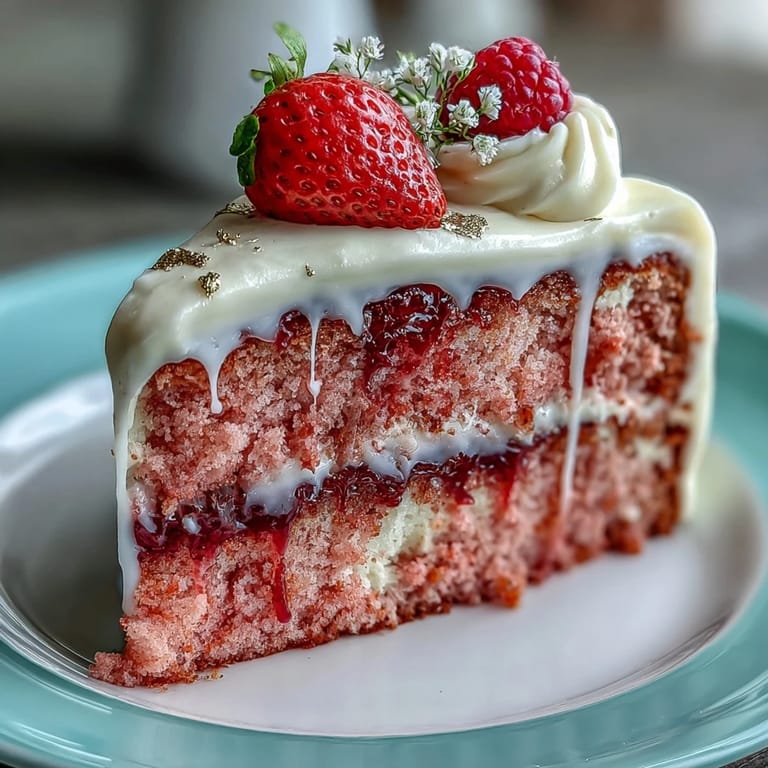
- Finish with edible flowers, berries, or a wisp of gold leaf for a garden party flourish, or leave as is for understated elegance.
 Pin It
  Pin It
 This was the cake that turned a simple gathering into a toast-worthy moment: after the first forkful, friends paused conversations to savor each buttery, gently boozy bite. It’s moments like these—when dessert hushes the room—that linger with me long after the party’s over.
Choosing and Using Rosé for Baking
I found that the best cakes used rosé with a fresh, fruity flavor—nothing too sweet or too dry. Even the color can slightly tint the cake, so pick one you’d like to sip, not just cook with.
Making Smooth Frosting on Humid Days
During sticky weather, I sift confectioners’ sugar twice and chill bowls before beating. This little effort keeps the frosting airy and not the least bit greasy.
Getting That Luxe Gold Finish
No one needs to know how simple painting the gold drip really is—just a steady hand on a completely set ganache does the trick. Using a barely damp brush keeps the shimmer rich without streaking. If edible flowers are on hand, scatter them while the gold paint dries, so they stick gently to the frosting.
- Don’t rush chilling between steps; every pause saves the cake’s shape.
- Use gloves when handling edible gold—it loves to stick to skin more than cake.
- Cake tastes best served just a touch cooler than room temperature.
 Pin It
  Pin It
 Even if you’re new to gold-flecked cakes, every slice brings a little celebration to the table. I hope it’s as joyful for you to share as it is to make.
Recipe FAQs
- → Which rosé works best?
Choose a dry or off-dry rosé with bright berry and floral notes; avoid overly sweet bottles. A quality, fragrant rosé will add subtle depth without overpowering the cake.
- → How can I get an even pink color?
Use gel food coloring for a concentrated hue; add a little at a time until you reach the desired blush. Omitting color yields a softer, natural rosé tint.
- → How do I make stable cream cheese frosting?
Start with room-temperature cream cheese and butter, beat until smooth, then add sifted confectioners' sugar gradually. Chill the frosting briefly before assembling to improve pipeability and structure.
- → Tips for a smooth gold drip?
Make a pourable white chocolate ganache (white chocolate and cream), cool until slightly thickened, then drip from the edge with a spoon or squeeze bottle. After it sets, mix gold luster dust with a few drops of clear vodka or lemon extract and paint the drips gently.
- → How do I prevent the layers from drying out?
Brush each layer lightly with the rosé-and-buttermilk mixture or a simple syrup before frosting. Chill assembled cake to set the crumb coat and wrap any leftover slices tightly to retain moisture.
- → What are the best decoration options?
Finish with edible flowers, fresh berries, or small gold leaf accents for elegance. Keep decorations light to showcase the painted gold drip and the cake's pink hue.