 Pin It
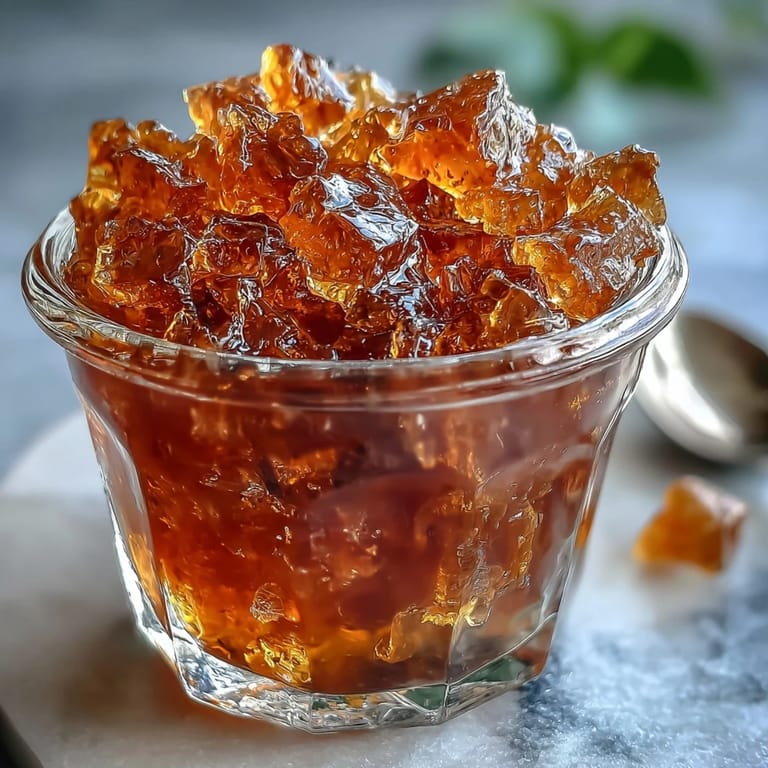
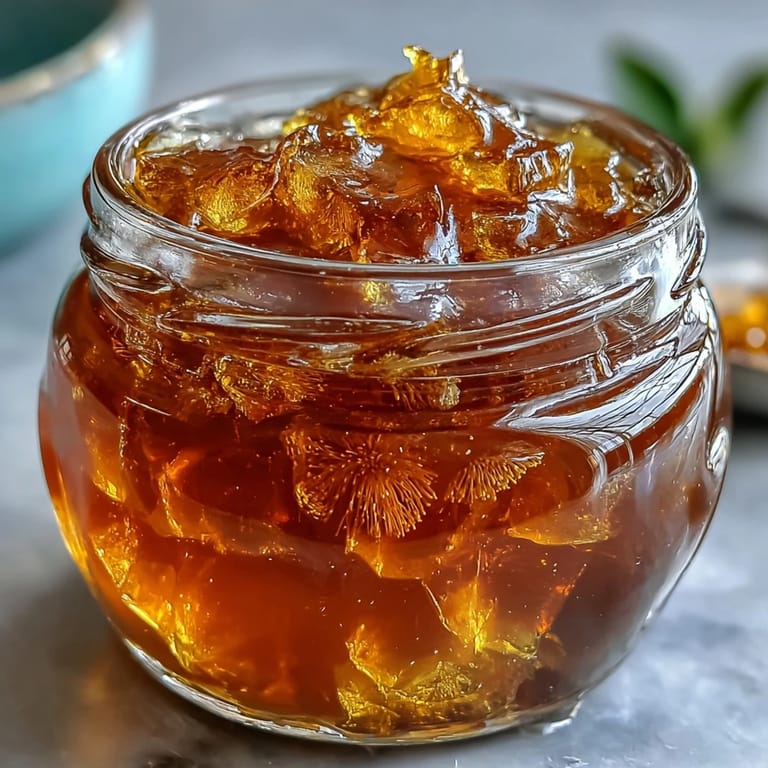
 Dandelion Jelly is a delicate, floral preserve that truly captures the essence of spring. Crafted from foraged dandelion blossoms, this golden jelly brings a subtle sweetness and unique aroma to your breakfast table, perfect for spreading on warm toast, buttery scones, or alongside a selection of cheeses. It offers a wonderful way to celebrate the bounty of nature while enjoying a light, vegan and gluten-free treat that’s both simple and satisfying.
Pin It Making dandelion jelly connects you to the rhythm of the seasons and offers a rewarding way to transform wildflowers into something truly special. The gentle steeping process infuses the floral notes, while the pectin and sugar create a perfect jelly setting that gleams with a sunny golden hue.
Ingredients
Tired of Takeout? 🥡
Get 10 meals you can make faster than delivery arrives. Seriously.
One email. No spam. Unsubscribe anytime.
- Dandelion Infusion:
2 cups dandelion petals (yellow parts only, tightly packed, pesticide-free)
4 cups water - Jelly Base:
2 tablespoons lemon juice (freshly squeezed)
1 package (1.75 oz / 49 g) powdered fruit pectin
4 cups granulated sugar
Instructions
- 1. Prepare the dandelion petals
- Remove all green parts (sepals and stems) as they can be bitter.
- 2. Rinse petals
- Gently wash to remove insects or debris.
- 3. Combine and simmer
- In a saucepan, add petals and water. Bring to a boil, then simmer for 5 minutes.
- 4. Steep infusion
- Remove from heat, cover, and let steep for 4 hours or overnight for stronger flavor.
- 5. Strain
- Through a fine mesh sieve or cheesecloth, pressing gently to extract liquid. Discard petals. You should have 3½–4 cups.
- 6. Mix base and boil
- Pour infusion into a large pot. Add lemon juice and pectin. Stir and bring to a rolling boil over high heat.
- 7. Add sugar and boil hard
- Add all sugar at once, stirring constantly. Maintain rolling boil for 1–2 minutes until setting point (220°F/104°C).
- 8. Remove foam
- Take off heat and skim off any foam.
- 9. Jar and process
- Ladle hot jelly into sterilized jars leaving ¼-inch headspace. Wipe rims, seal with lids, and process in boiling water bath for 10 minutes.
- 10. Cool and store
- Let jars cool undisturbed for 12 hours. Check seals before storing.
Zusatztipps für die Zubereitung
Ensure all green parts of the dandelion petals are completely removed to prevent bitterness. Use only pesticide-free flowers collected from clean areas. Steeping time can be extended overnight for a more pronounced floral infusion. Sterilize jars and lids properly to guarantee long shelf life and safety.
Varianten und Anpassungen
For a citrusy twist, add orange zest along with the lemon juice to brighten the flavor. To create a less sweet jelly, slightly reduce sugar and use a low-sugar pectin brand. Experimenting with the steeping time will allow you to find your preferred intensity of floral notes.
Serviervorschläge
This delicate dandelion jelly is exquisite spread over toast, warm pancakes, or scones. It also works beautifully as a glaze for cakes or a complement to cheese platters, enhancing the flavor with its subtle springtime sweetness.
 Pin It
 Dandelion Jelly is a lovely way to capture the fleeting beauty of spring in a jar. Its bright color and soft aroma make it a seasonal treasure to share with family and friends or enjoy quiet moments with morning toast. This simple recipe celebrates nature’s gifts while providing a delicious and nourishing preserve that’s both wholesome and delightful.
Recipe FAQs
- → Why use only yellow parts of dandelion petals?
The yellow petals offer a delicate floral flavor, while green parts can introduce bitterness, affecting the spread’s taste.
- → How long should the dandelion infusion steep?
Steeping for at least 4 hours, preferably overnight, intensifies the floral aroma and enriches the flavor profile.
- → What is the purpose of lemon juice in the spreading mix?
Lemon juice adds brightness and acidity necessary for proper gel formation with pectin, balancing sweetness.
- → Can sugar amounts be adjusted without affecting texture?
Reducing sugar slightly is possible, especially with low-sugar pectin, but too little sugar might prevent the spread from setting correctly.
- → Why process jars in a boiling water bath?
Boiling water bath sterilization ensures safe preservation by sealing jars and preventing spoilage during storage.
- → What are ideal pairings for this floral spread?
It complements toast, scones, pancakes, and also serves beautifully as a glaze over cakes or paired with cheeses.