 Pin It
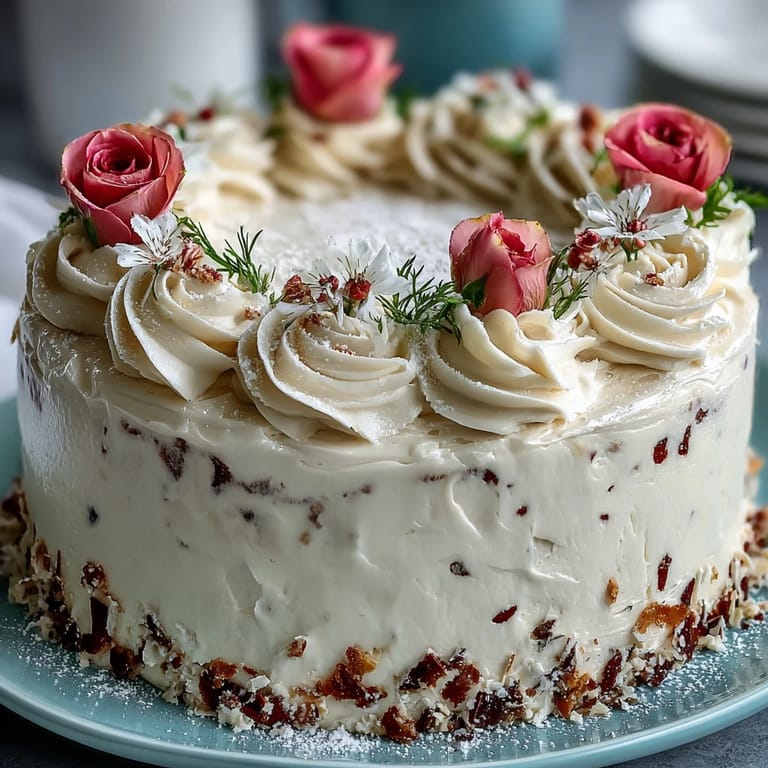
 My cousin's daughter wore the most elaborate white dress with lace details for her First Communion, and all I could think about while watching the ceremony was whether my buttercream flowers would hold up in the afternoon heat. I'd volunteered to bake the cake weeks earlier, imagining something simple and elegant, but somewhere between the mixing bowl and the piping bag, I became determined to make something that felt as special as the occasion itself. This vanilla sheet cake emerged from that determination—tender crumb, smooth frosting, and decorated with flowers that, despite my shaky hands during piping, somehow captured the delicate sweetness of the day.
I'll never forget watching my friend's mother taste a slice at the reception, eyes closed, then immediately ask for the recipe—that moment when someone's expression tells you the cake tastes even better than it looks. Her grandchildren crowded around the dessert table asking why the flowers were so pretty, and one brave five-year-old decided the green leaf was definitely edible. The cake bridged generations that afternoon in a way I hadn't anticipated, becoming less about technique and more about gathering.
Ingredients
- All-purpose flour: Measure by spooning and leveling rather than scooping directly from the bag, which prevents dense cake from packed flour.
- Unsalted butter: Softened butter creams properly with sugar and creates that light, fluffy texture that makes the cake feel almost cloud-like.
- Granulated sugar: This dissolves into the butter completely, whereas other sugars might leave a grainy texture.
- Eggs at room temperature: Cold eggs don't incorporate smoothly and can cause the batter to break, creating a less tender crumb.
- Pure vanilla extract: Don't skimp here; imitation extract tastes tinny and flat compared to the real thing.
- Whole milk at room temperature: Cold milk can shock the warm batter and affect how the flour hydrates.
- Powdered sugar for buttercream: Sift it before measuring to remove lumps that create grainy frosting.
- Food coloring: Gel coloring produces vibrant hues without thinning the buttercream the way liquid coloring does.
Tired of Takeout? 🥡
Get 10 meals you can make faster than delivery arrives. Seriously.
One email. No spam. Unsubscribe anytime.
Instructions
- Set the stage:
- Preheat your oven to 350°F and grease a 9x13-inch pan thoroughly, then line the bottom with parchment paper so the cake releases cleanly without any stubborn corners sticking.
- Combine your dry ingredients:
- Whisk flour, baking powder, and salt in a medium bowl until evenly blended; this distributes the leavening evenly throughout the cake.
- Cream butter and sugar:
- Beat softened butter with sugar for about three minutes until the mixture turns pale and fluffy, which incorporates air that makes the cake tender. You should see a noticeable color change and the mixture should look almost mousse-like.
- Incorporate eggs slowly:
- Add eggs one at a time, beating well after each addition so they emulsify properly rather than sitting in broken puddles. Scrape down the bowl between additions to catch any stubborn bits clinging to the sides.
- Add vanilla and alternate wet and dry:
- Mix in vanilla, then add your flour mixture in three parts, alternating with milk and beginning and ending with flour. This method prevents overmixing while ensuring everything combines evenly.
- Pour and bake:
- Spread batter into your prepared pan and smooth the top with a spatula, then bake for 28 to 32 minutes until a toothpick emerges clean or with just a crumb or two clinging to it. The cake will rise beautifully and the kitchen will smell irresistible.
- Cool with patience:
- Let the cake sit in the pan for 10 minutes—this prevents it from breaking apart—then turn it out onto a wire rack to cool completely before frosting. Warm cake and buttercream are a disaster waiting to happen.
- Make your frosting:
- Beat softened butter until completely creamy, then gradually add sifted powdered sugar alternating with milk, which prevents lumpy spots. The buttercream should be silky and spreadable, not grainy or thin.
- Divide and color:
- Split the buttercream into small bowls and add gel food coloring drop by drop, stirring until the color is even and vibrant. Gel coloring doesn't dilute the frosting like liquid coloring does.
- Spread and pipe:
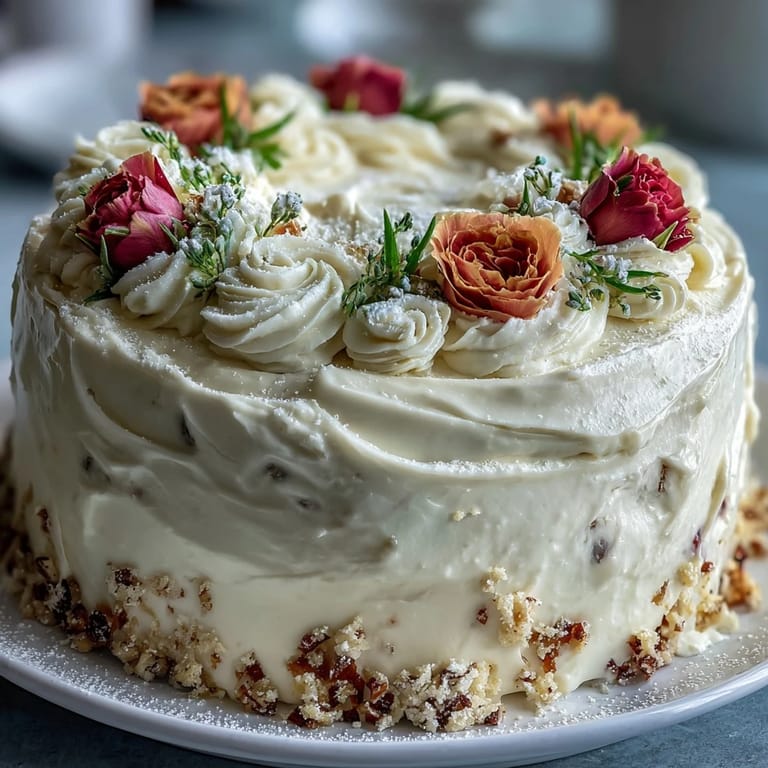
- Apply a generous base layer of plain white buttercream to the cooled cake, then fill piping bags with colored buttercream fitted with flower and leaf tips. Pipe flowers and leaves decoratively, focusing on corners and edges for a classic, balanced look.
- Optional details:
- If desired, use a small round tip to pipe a delicate cross or add a personalized First Communion message in a complementary color. These touches transform the cake from pretty to meaningful.
 Pin It
 Weeks after the Communion, my cousin sent me a photo of her daughter holding a slice of the leftover cake, beaming in that pure way kids do when they're genuinely happy. That image sits on my fridge, reminding me that sometimes the thing we make with our hands matters far more than how perfectly our piping came out.
Flavoring Variations to Consider
While the pure vanilla version is timeless, adding ½ teaspoon of almond extract to the cake batter introduces a subtle nuttiness that feels more sophisticated without overpowering the delicate flavor. I've also experimented with a light lemon zest in the buttercream—just the zest, not juice, which would thin the frosting—and it creates an unexpectedly fresh contrast. Some bakers brush a simple sugar syrup over the cooled cake before frosting, which keeps it moist for days and tastes like the cake just came out of the oven even on day three.
Make-Ahead and Storage Wisdom
The cake layer can be baked a full day ahead and stored covered at room temperature, which means your celebration day becomes about decorating rather than juggling multiple tasks. The buttercream also holds beautifully for several hours once piped, so you can decorate the morning of an afternoon event and let it set in a cool room rather than the refrigerator, which can dull the colors. This cake keeps for three to four days covered loosely with plastic wrap, though by day three the frosting starts to take on subtle room-temperature softness that some people find even more pleasant to eat.
Decorating Strategies and Pairing Ideas
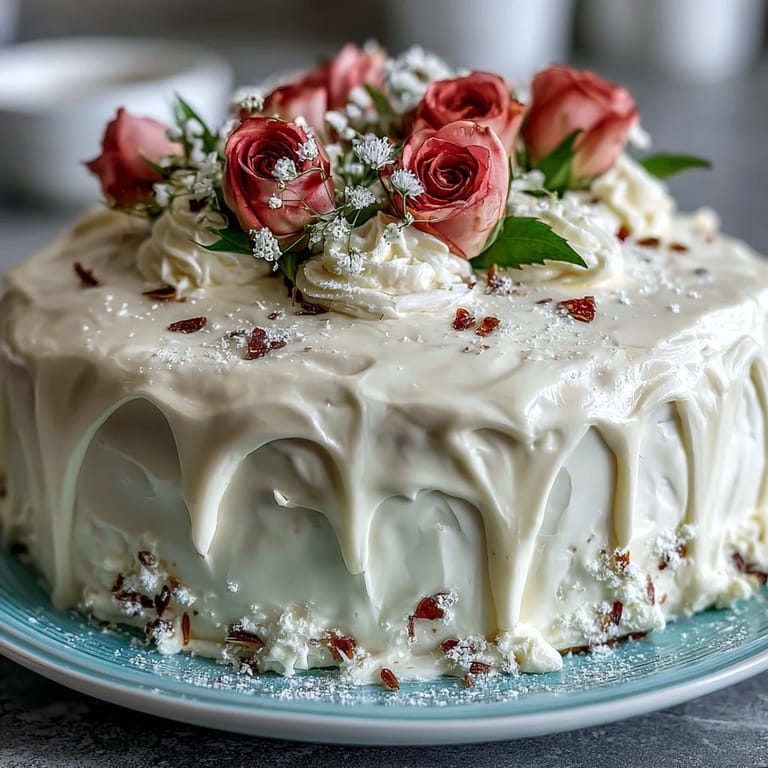
Piping flowers feels easier when you realize they don't need botanical accuracy—roses, daisies, and simple blooms all blur together into a garden of color from even a few feet away. I learned to start decorating in corners and work inward, which gives you a safety net if your first flowers feel clumsy before you hit the visible center. Serve this cake alongside fresh lemonade for children or a light Moscato for adults, both of which complement the buttercream's sweetness without competing for attention.
- Practice your piping on parchment paper first; the muscle memory carries over once you're on the actual cake.
- Gel food coloring stays vibrant even if the cake sits out for a few hours before serving.
- If frosting cracks while you spread it, smooth it with an offset spatula dipped in warm water, then immediately dry the spatula before the next stroke.
 Pin It
 This cake has taught me that celebration food doesn't need to be complicated to feel special. A tender vanilla cake dressed in buttercream flowers can hold more joy than its simplicity suggests.
Recipe FAQs
- → How do I ensure the cake stays moist?
Using softened butter and whole milk at room temperature helps create a tender, moist crumb. Avoid overmixing the batter to maintain fluffiness.
- → What is the best way to decorate with buttercream flowers?
Divide the buttercream into portions and tint with food coloring. Use piping bags fitted with flower and leaf tips to create delicate decorations on the cooled cake surface.
- → Can I prepare the cake in advance?
Yes, the cake can be baked a day ahead and stored covered at room temperature to preserve freshness and ease decorating on the day of serving.
- → What other flavors complement the vanilla cake?
Adding a hint of almond extract to the batter enhances flavor, and pairing with light beverages like Moscato or lemonade makes a great combination.
- → How do I avoid buttercream colors bleeding?
Using gel food coloring instead of liquid ensures vibrant hues without making the frosting runny or affecting its consistency.