 Pin It
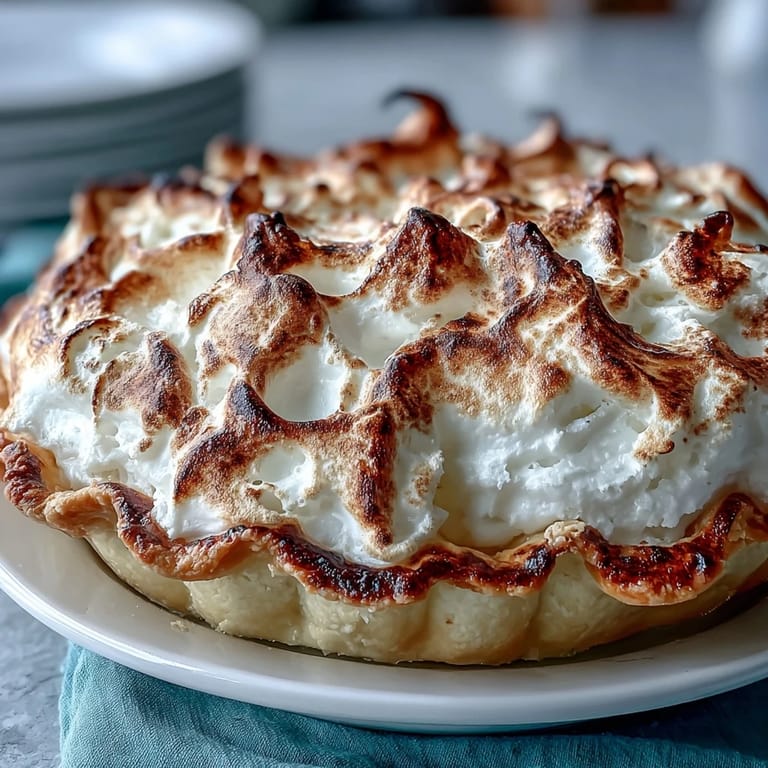
 The kitchen smelled like sunshine trapped in sugar. I was elbow-deep in meringue, watching it transform from slippery egg whites into glossy peaks that caught the afternoon light. My grandmother used to say a proper lemon meringue pie could fix a bad day, and after burning my first three attempts at getting that filling just right, I finally understood why she never rushed it. This pie isn't just dessert, it's a little act of patience rewarded with every tart, creamy, cloud-topped bite.
I made this for my neighbor's birthday once, back when I was still nervous about the meringue weeping. She took one bite and closed her eyes, said it tasted like the pie her mother used to make in Virginia. I didn't tell her I'd panicked and rewhipped the meringue twice. Sometimes the struggles stay in the kitchen, and only the joy makes it to the table.
Ingredients
- All-purpose flour: The foundation of your crust, and using cold butter with it creates those flaky layers that shatter perfectly under your fork.
- Cold unsalted butter: Keep it truly cold, the colder it is, the flakier your crust will be because the water in the butter creates steam pockets as it bakes.
- Ice water: Add just enough to bring the dough together, too much and you'll end up with a tough crust instead of a tender one.
- Granulated sugar (for filling): Balances the sharp punch of lemon juice and helps thicken the filling when combined with cornstarch.
- Cornstarch: This is what gives your filling that perfect sliceable texture instead of runny puddle, don't skip it or substitute.
- Egg yolks: They make the filling rich and custardy, and tempering them properly prevents scrambled eggs in your lemon curd.
- Lemon zest: Grate it fine and fresh, it adds aromatic oil that makes the whole pie smell like a lemon grove.
- Freshly squeezed lemon juice: Bottled juice will never give you that bright, alive flavor that makes this pie sing.
- Egg whites: Room temperature whites whip up faster and higher, creating that dramatic meringue crown.
- Cream of tartar: Stabilizes the egg whites so your meringue holds its shape and doesn't deflate sadly in the oven.
- Pure vanilla extract: Just half a teaspoon smooths out the sweetness and adds a whisper of warmth to the meringue.
Tired of Takeout? 🥡
Get 10 meals you can make faster than delivery arrives. Seriously.
One email. No spam. Unsubscribe anytime.
Instructions
- Build Your Crust:
- Whisk the flour, salt, and sugar together, then work in the cold butter until the mixture looks like wet sand with a few pea-sized bits remaining. Drizzle in ice water one tablespoon at a time, stirring gently until the dough just barely holds together when you squeeze it.
- Chill and Roll:
- Pat the dough into a flat disk, wrap it up, and let it rest in the fridge for at least an hour so the gluten relaxes and the butter stays firm. When you roll it out on a floured surface, work quickly and turn it often to keep it from sticking.
- Blind Bake:
- Press the dough into your pie dish, trim the overhang, prick the bottom all over with a fork, then line it with parchment and fill with pie weights. Bake at 400°F until the edges start to turn golden, then remove the weights and bake until the whole crust is crisp and beautiful.
- Cook the Lemon Filling:
- Whisk sugar, cornstarch, and salt in a saucepan, then slowly add water until smooth and cook over medium heat, stirring constantly as it thickens into a glossy gel. Temper your egg yolks by whisking in a little hot mixture first, then stir everything back into the pan and cook for two more minutes before stirring in zest, juice, and butter.
- Whip the Meringue:
- Beat room temperature egg whites with cream of tartar until soft peaks form, then gradually add sugar and keep beating until the meringue is stiff, shiny, and holds sharp peaks. Fold in the vanilla at the very end.
- Assemble and Bake:
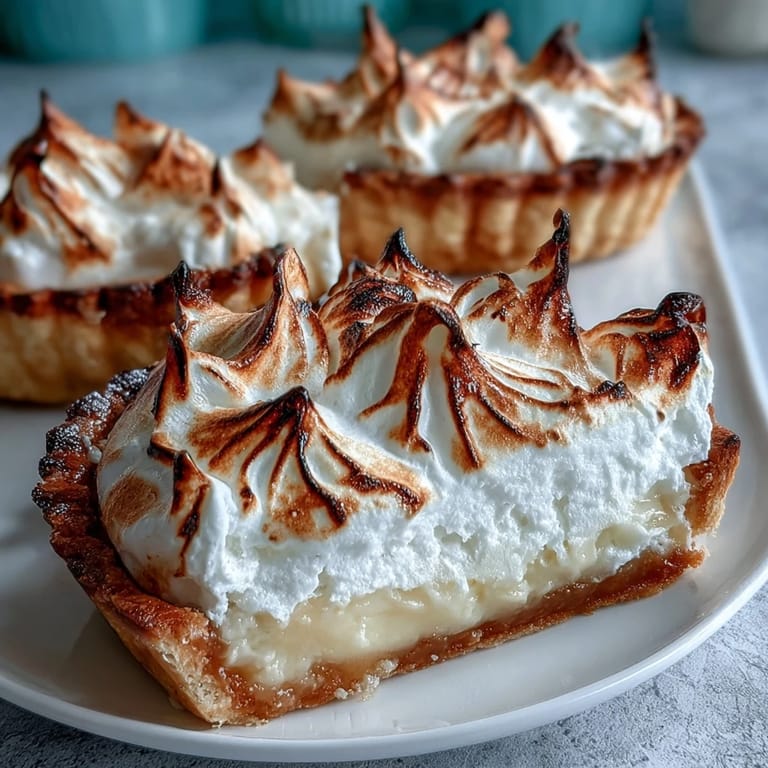
- Spread the meringue over the warm filling, making sure it touches the crust all the way around to seal in the filling and prevent shrinking. Bake at 350°F until the meringue turns golden brown on the tips, then cool and chill for at least two hours so everything sets up properly.
 Pin It
 One summer evening, I brought this pie to a backyard potluck and watched a grown man actually tear up after his second slice. He said his late wife used to make one every Fourth of July, and for a moment, we all went quiet. Food has that power, it reaches back through time and pulls forward the people we miss.
Getting the Perfect Meringue
The secret to meringue that doesn't weep or collapse is all about patience and temperature. Make sure your mixing bowl and beaters are completely clean and dry, even a tiny bit of grease will keep the whites from whipping up properly. I learned this after wondering why my meringue kept falling flat, turns out I hadn't rinsed the bowl well enough after washing. Room temperature egg whites whip up with more volume than cold ones, so pull them out of the fridge about thirty minutes before you start.
Storing and Serving
This pie is best enjoyed within two days, after that the meringue starts to soften and the crust can get a little soggy from the filling. Store it loosely covered in the refrigerator, I use a cake dome or invert a large bowl over it so the meringue doesn't get squished. Let it sit at room temperature for about ten minutes before slicing, it makes cutting cleaner and the flavors come through more brightly when it's not ice cold.
Variations Worth Trying
Once you've mastered the classic version, there's room to play. Swap in Meyer lemons for a sweeter, more floral filling, or add a tablespoon of limoncello to the lemon curd for a grown-up twist. I've also folded a handful of fresh blueberries into the filling right before pouring it into the crust, the berries burst and create little pockets of jammy sweetness.
- Try a graham cracker crust for a more casual, no-roll option.
- Torch the meringue instead of baking it for dramatic, restaurant-style browning.
- Add a thin layer of white chocolate ganache under the filling for extra richness.
 Pin It
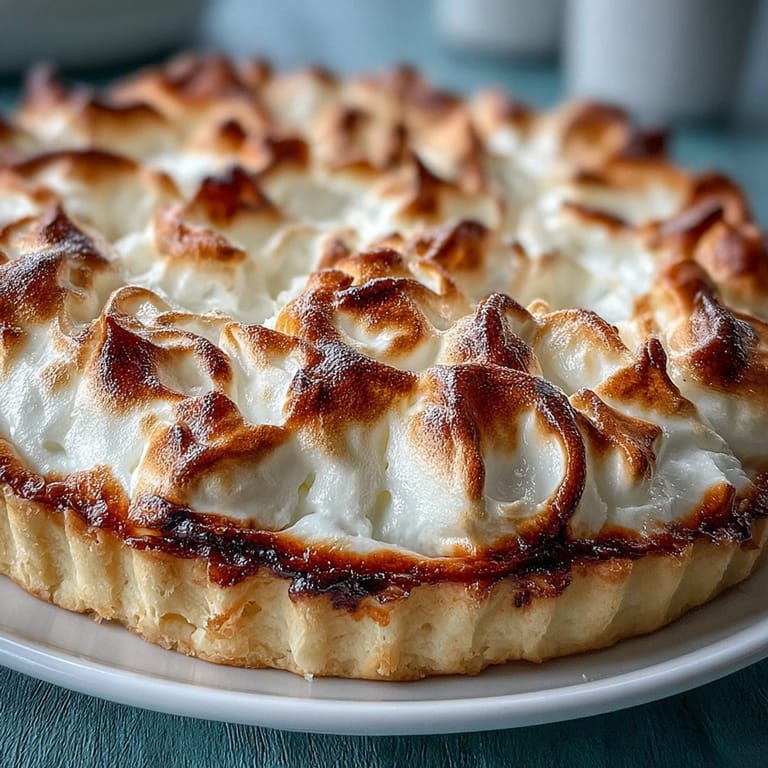
 Every time I pull this pie from the oven and see those golden peaks, I feel like I've made something worth sharing. It's the kind of dessert that turns a regular dinner into a memory.
Recipe FAQs
- → How do I prevent my meringue from weeping?
Make sure to spread the meringue over the filling while it's still warm, and seal the meringue all the way to the crust edges. This prevents moisture from accumulating between layers. Also, avoid making this on humid days if possible.
- → Can I make the crust ahead of time?
Yes, you can prepare and bake the crust up to 2 days in advance. Store it covered at room temperature. This actually makes the process more manageable by splitting the work across multiple days.
- → Why is my lemon filling runny?
The filling needs to be cooked long enough for the cornstarch to fully activate and thicken. Make sure it comes to a full bubble and cook for the recommended time while stirring constantly. Also, allow proper chilling time for the filling to set completely.
- → What's the best way to get clean slices?
Chill the pie for at least 2 hours before cutting. Use a sharp knife dipped in hot water and wiped dry between each slice. This prevents the meringue from sticking and dragging.
- → Can I use bottled lemon juice instead of fresh?
Fresh lemon juice is highly recommended for the best flavor and authentic tangy taste. Bottled juice often has a different acidity level and lacks the bright, fresh flavor that makes this dessert shine.
- → How long will this pie keep in the refrigerator?
The pie is best enjoyed within 2-3 days of making. Store it covered in the refrigerator. The meringue may start to weep or soften after the first day, but it will still taste delicious.