 Pin It
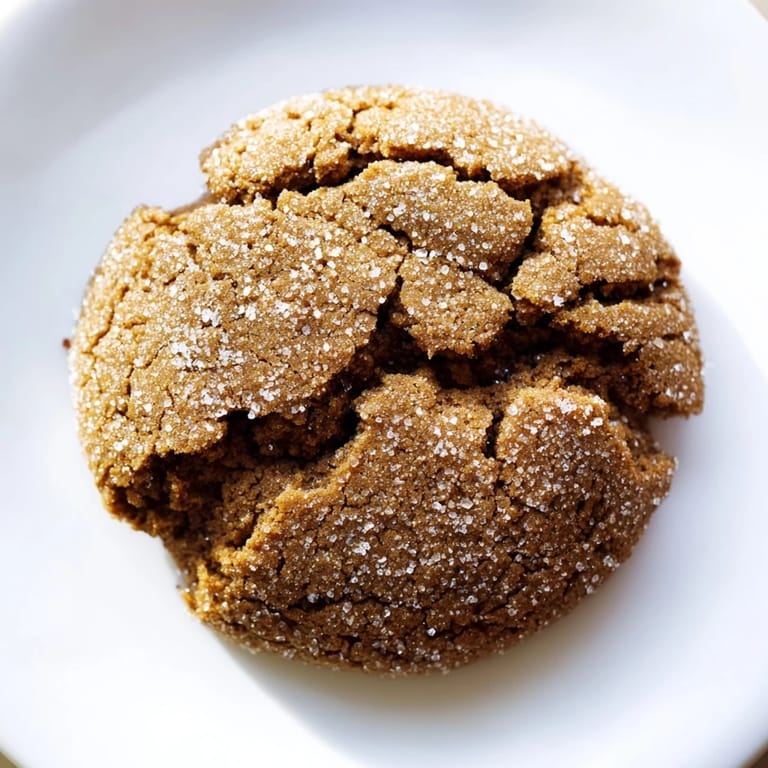
 My grandmother kept a tin of molasses in her pantry year-round, but it was only when December arrived that she'd break out the ginger and cloves. These cookies appeared on every holiday table without fail, their edges catching light like amber jewels. I spent one particularly quiet afternoon watching her work, noticing how she'd let the dough rest between batches while steam rose from her tea, never rushing. Now when I make them, I chase that same unhurried feeling, and somehow these chewy spiced rounds bring everyone to the kitchen the moment they bake.
I made these for my neighbor one January when she'd been stuck inside recovering from the flu. She opened her door to that smell—molasses, ginger, cinnamon filling the hallway—and the look on her face made me understand why my grandmother baked them so often. Food has a way of saying things words can't, and these cookies seemed to do exactly that.
Ingredients
- All-purpose flour (2 1/4 cups): The base that carries all those spices; I've learned not to pack it when measuring or your cookies turn dense and cake-like.
- Ground ginger (2 teaspoons): Fresh ginger in the freezer stays potent longer than pre-ground, but either works beautifully here.
- Ground cinnamon (1 teaspoon): Grab the good stuff if you can; the flavor difference between supermarket and specialty spice companies is real and worth noticing.
- Ground cloves (1/2 teaspoon): A little goes a long way—this exact amount creates warmth without ever tasting medicinal.
- Ground nutmeg (1/4 teaspoon): Freshly grated tastes brighter, but this small measure means either form works without regret.
- Baking soda (2 teaspoons): This is what makes them puff slightly before settling into that perfect chew; don't skip the whisking step.
- Salt (1/2 teaspoon): It sounds small but salt anchors the sweetness and lets the spices speak.
- Unsalted butter (3/4 cup), softened: Room temperature matters more than you'd think—cold butter won't cream properly and you'll fight the mixer.
- Packed dark brown sugar (1 cup): The moisture in brown sugar is what keeps these cookies tender for days.
- Molasses (1/4 cup): This is the soul of the recipe; unsulphured molasses tastes milder, sulphured molasses deeper and more complex.
- Large egg (1): Don't use cold eggs from the fridge; let it sit out while your butter creams.
- Pure vanilla extract (1 teaspoon): Worth buying the real thing; imitation tastes thin and sharp by comparison.
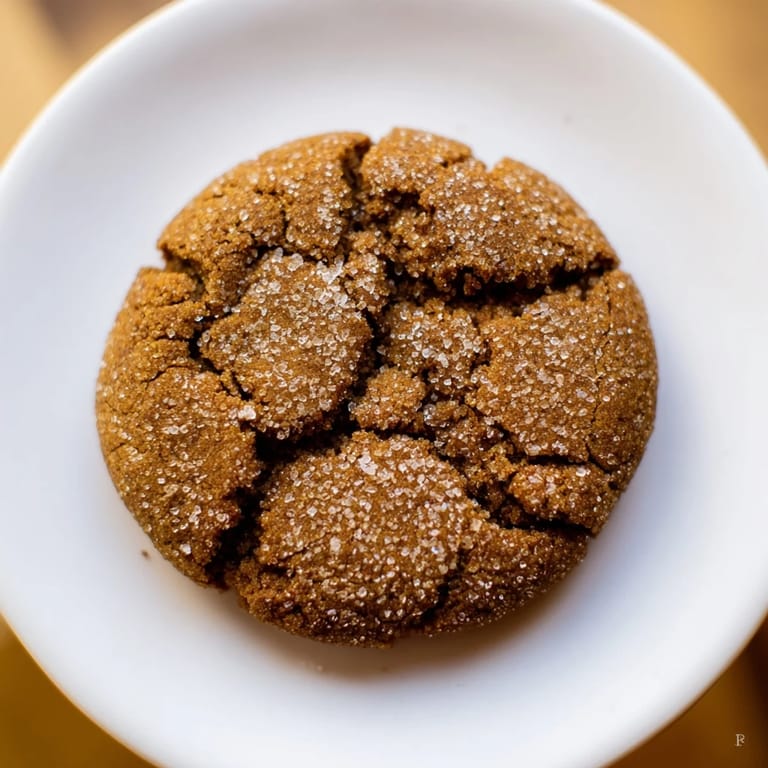
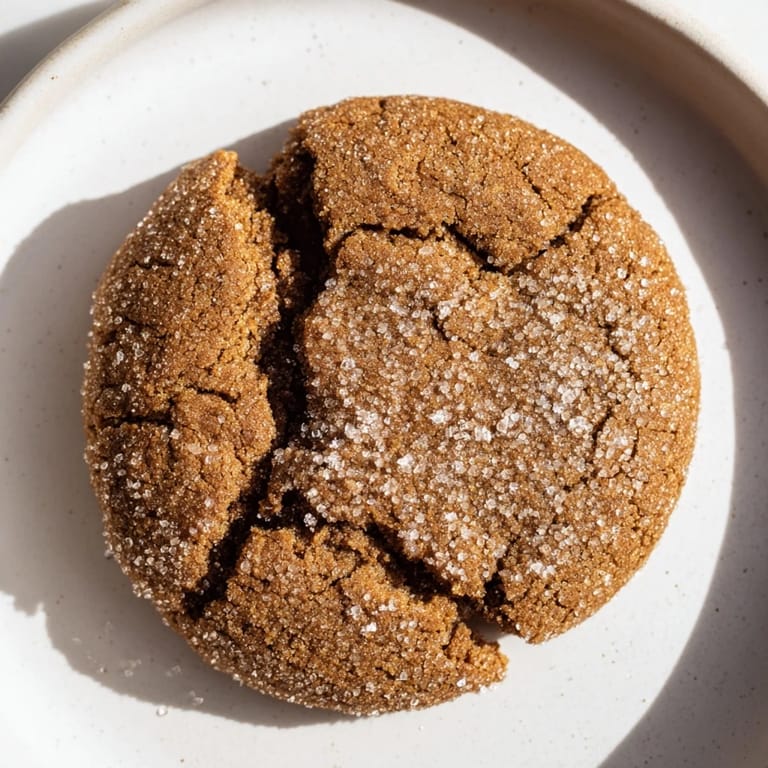
- Granulated sugar (1/4 cup for rolling): The sugar coating creates that pretty crackle that catches light as they cool.
Tired of Takeout? 🥡
Get 10 meals you can make faster than delivery arrives. Seriously.
One email. No spam. Unsubscribe anytime.
Instructions
- Set the stage:
- Heat your oven to 350°F and line two baking sheets with parchment paper. This moment of preparation matters more than it seems; a cold oven gives you cookies that spread too much before their edges set.
- Gather your spices:
- In a medium bowl, whisk together the flour, ginger, cinnamon, cloves, nutmeg, baking soda, and salt. I like to whisk these dry ingredients for longer than feels necessary—it aerates the flour and distributes the baking soda evenly so you won't taste any metallic pocket.
- Cream the butter and sugar:
- In a large bowl, beat softened butter and brown sugar until pale and fluffy, about 2 to 3 minutes. This step incorporates air into the mixture, which gives the cookies their tender crumb. You'll know you're done when the mixture looks noticeably lighter in color.
- Add the wet ingredients:
- Mix in the molasses, egg, and vanilla extract until everything is well combined and the color deepens. Don't worry if it looks slightly separated at first; it will come together as you keep mixing.
- Bring the dough together:
- Gradually add the dry ingredients to the wet mixture, stirring just until no streaks of flour remain. Overmixing develops gluten, which makes cookies tough; stop the moment you can't see dry flour anymore.
- Shape the cookies:
- Scoop the dough into tablespoon-sized balls and roll each one in granulated sugar until lightly coated. The sugar gives them that beautiful crackly exterior and helps them bake evenly.
- Space on the sheets:
- Place the dough balls 2 inches apart on your prepared baking sheets, giving them room to spread without touching.
- Bake to chewy perfection:
- Bake for 9 to 11 minutes, until the edges are set but the centers still look slightly underbaked. This is the secret to chewiness—the cookies will continue to firm up as they cool.
- Cool and transfer:
- Let them rest on the baking sheet for 5 minutes so they firm up enough to move, then transfer to a wire rack. This moment matters because moving them too soon breaks their delicate structure.
 Pin It
 There's a moment when you pull these cookies from the oven, when the kitchen fills with that spiced molasses aroma and everyone suddenly remembers they're hungry, that these cookies stopped being just dessert and became part of the memory. That's the real recipe right there.
The Science of Chewiness
The magic of these cookies lives in the balance between brown sugar's moisture and the quick bake time that leaves the centers slightly underbaked. Brown sugar contains molasses itself, so when you combine it with actual molasses, you're building layers of moisture that keep the cookies soft. The baking soda reacts during baking to create lift and set the edges while the center stays tender, and pulling them from the oven at exactly 9 to 11 minutes locks in that contrast. Once they cool completely, the cookies firm up to that perfect chew without ever becoming hard.
Storage and Making Ahead
Store these cookies in an airtight container with a slice of soft bread to maintain humidity—the bread absorbs excess air and keeps the cookies tender for up to five days. If they do start to harden, just close them in a container with a fresh piece of bread overnight and they'll soften again. You can also freeze the dough balls in a zip-top bag for up to two months and bake them directly from the freezer, adding just a minute or two to the baking time.
Variations and Flavor Builds
Once you understand this base recipe, you can play with it in ways that feel surprising but never wrong. I've added finely chopped candied ginger for texture, stirred in a tiny pinch of black pepper for a sophisticated edge that makes people pause and ask what they're tasting, and even swapped half the butter for vegetable shortening when I wanted them even chewier and less cake-like. Some years I dust them with cinnamon sugar instead of plain granulated sugar, and once I pressed a single piece of crystallized ginger into the top of each ball before baking, which created a little flavor burst that made them feel special.
- A pinch of black pepper creates complexity without heat.
- Finely chopped crystallized ginger adds texture and a subtle bright note.
- Brushing cooled cookies with melted dark chocolate turns them into something almost fancy.
 Pin It
 These cookies have become my quiet way of saying "I was thinking of you" on ordinary days, not just holidays. That feels like the best kind of recipe.
Recipe FAQs
- → What makes these cookies chewy?
The combination of molasses, brown sugar, and slightly underbaking helps retain moisture, resulting in a soft, chewy texture.
- → Can I substitute the spices?
Yes, you can adjust spices like ginger, cinnamon, cloves, and nutmeg to match your taste preferences, enhancing the warm flavor profile.
- → How do I prevent cookies from spreading too much?
Chilling the dough before baking can help maintain the shape, and spacing them properly on the baking sheet prevents merging.
- → Why roll the dough balls in granulated sugar?
Rolling in sugar adds a sweet, crisp coating that enhances texture and appearance.
- → Can I make these without butter?
Swapping half the butter with vegetable shortening alters texture slightly, giving a different chewiness and softness.