 Pin It
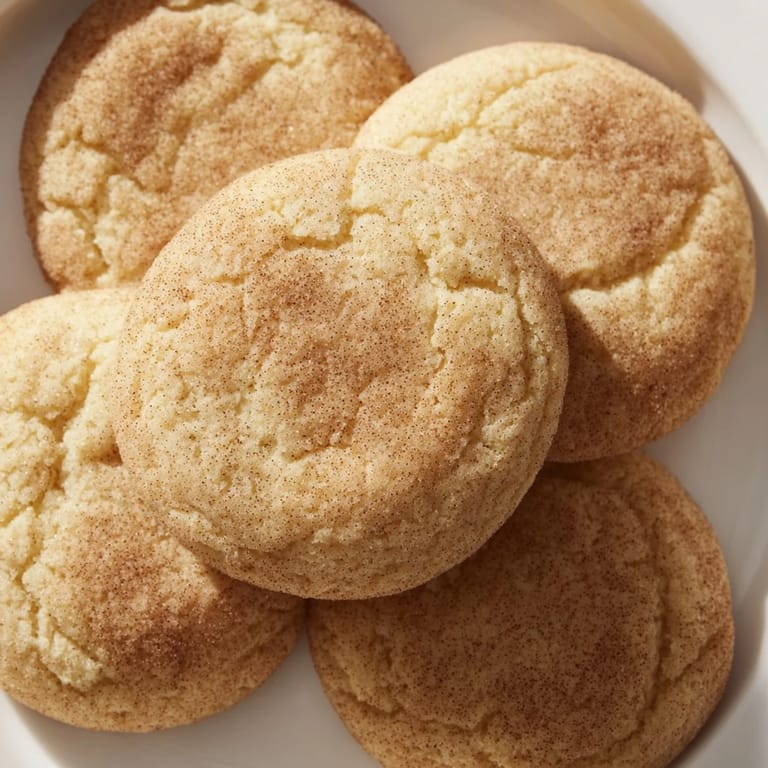
 There's something almost magical about the smell of snickerdoodles baking on a quiet afternoon—cinnamon and butter mingling in the oven heat, creating that unmistakable aroma that makes everyone suddenly appear in the kitchen asking when they'll be ready. I stumbled onto these cookies years ago, not through family tradition but through pure accident: my neighbor mentioned her kids would only eat cookies with that cinnamon-sugar coating, and I became obsessed with perfecting the recipe. What drew me in wasn't just the sweetness, but that subtle tangy note from cream of tartar, something I'd never encountered before and couldn't quite identify until I understood its role in creating that signature tender crumb.
I'll never forget bringing these to a friend's dinner party where someone had requested "something classic," and watching people reach for seconds without hesitation—there's comfort in that simplicity, in a cookie that doesn't try to be trendy or complicated. That night, someone asked for the recipe and I realized I'd been holding onto something genuinely special, the kind of cookie that transcends the dessert table and becomes part of how people remember your kitchen.
Ingredients
- All-purpose flour (2 3/4 cups): This is your base, and measuring it right means the difference between a thick, cakey cookie and one with just enough structure to be soft inside. Spoon and level rather than scooping directly into the bag.
- Cream of tartar (2 teaspoons): This ingredient is non-negotiable if you want that authentic snickerdoodle flavor—it's what gives them their signature slight tang and creates that subtle chewiness in the center.
- Baking soda (1 teaspoon): Works with the cream of tartar to react and create lift, so don't skip it or substitute baking powder.
- Salt (1/2 teaspoon): A quiet ingredient that amplifies all the other flavors without announcing itself.
- Unsalted butter (1 cup, softened): Room temperature is essential—if your butter is too cold, you won't get that creamy, fluffy base that makes these cookies special.
- Granulated sugar (1 1/2 cups): The sweetness anchor; using granulated rather than brown keeps the flavor profile classic and lets the cinnamon shine.
- Large eggs (2): Room temperature eggs incorporate more smoothly and create better emulsion, so pull them out of the fridge about 15 minutes before baking.
- Pure vanilla extract (1 teaspoon): Worth buying the real stuff here—imitation vanillin can taste harsh against the delicate cinnamon coating.
- Cinnamon sugar coating (1/4 cup sugar + 2 teaspoons ground cinnamon): This is where the magic happens—don't be stingy with the cinnamon or rush this step, or you'll lose the whole reason these exist.
Tired of Takeout? 🥡
Get 10 meals you can make faster than delivery arrives. Seriously.
One email. No spam. Unsubscribe anytime.
Instructions
- Get Your Oven Ready:
- Preheat to 375°F and line two baking sheets with parchment paper so your cookies slide off instead of sticking. This small step saves so much frustration.
- Combine All the Dry Elements:
- Whisk flour, cream of tartar, baking soda, and salt in a medium bowl until they're evenly distributed. This prevents pockets of baking soda from creating odd flavors in your finished cookies.
- Cream Butter and Sugar Together:
- Beat your softened butter with the 1 1/2 cups sugar for about 2-3 minutes until it's pale and fluffy—this is where air gets incorporated, making the cookies tender. Listen for the mixer to slow down slightly as the mixture lightens; that's your sign to stop.
- Incorporate Eggs and Vanilla:
- Add eggs one at a time, beating after each addition, then mix in the vanilla. This creates an emulsion that keeps everything cohesive and smooth.
- Bring Wet and Dry Together:
- Gently fold the dry mixture into the wet ingredients, stirring just until combined—overmixing develops gluten and makes cookies tough instead of soft. Stop as soon as you don't see dry flour anymore.
- Make Your Cinnamon Sugar Coating:
- In a small bowl, mix 1/4 cup sugar with the 2 teaspoons of cinnamon, stirring well to distribute the cinnamon evenly so you don't get brown sugar pockets.
- Roll Dough into Balls:
- Scoop tablespoon-sized portions and roll each into a tight ball with your hands—this shape helps them bake evenly. Don't worry about perfection; slight irregularities add charm.
- Coat with Cinnamon Sugar:
- Roll each dough ball thoroughly in the cinnamon sugar mixture, making sure it's well coated on all sides. Press gently as you roll so the coating adheres.
- Space Them Out:
- Place coated balls about 2 inches apart on your prepared baking sheets. They spread a little, and this spacing ensures they don't bake into each other.
- Bake Until the Edges Set:
- Bake for 9-11 minutes, checking around the 9-minute mark—you want the edges firm but the centers still soft and slightly underdone. They'll continue cooking on the sheet after you remove them.
- Cool Strategically:
- Let them sit on the baking sheet for 5 minutes (this allows carryover cooking), then transfer to a wire rack. This prevents the bottoms from overbaking while they cool completely.
 Pin It
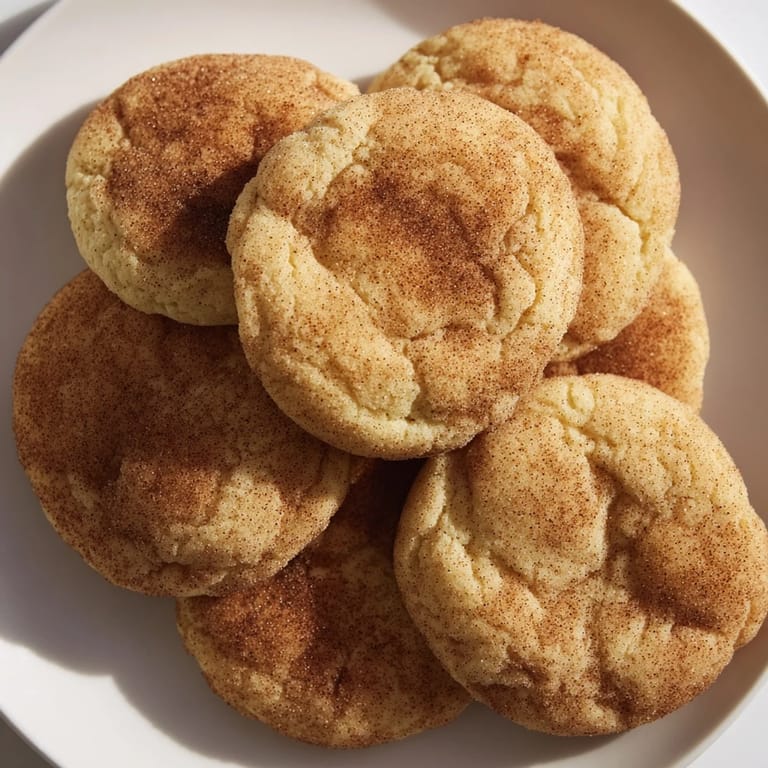
 I learned the hard way that these cookies are at their absolute best when shared warm with someone, still slightly soft from the oven, with that cinnamon sugar coating releasing its warmth against your tongue. There's a reason they've stayed beloved for generations—they're uncomplicated, reliable, and somehow taste like comfort in the truest sense.
The Importance of Cream of Tartar
When I first made snickerdoodles without cream of tartar, thinking it wouldn't make much difference, I ended up with cookies that were just... fine. Forgettable, even. It wasn't until I added that ingredient back that I realized it's not just a flavor enhancer—it's actually a chemical modifier that reacts with the baking soda to create lift and that subtle tang that separates a snickerdoodle from a generic sugar cookie. Cream of tartar is also a stabilizer for eggs, which is why these cookies have such a tender crumb. If you can't find it, don't improvise; just order it online or substitute the entire recipe with a standard sugar cookie base, but know you're changing the whole identity of the dish.
Storage and Keeping Cookies Fresh
I store mine in an airtight container on the counter, and they genuinely last five days without losing that softness—but I've found they're most delicious between day two and day four, when the flavors have melded and the cinnamon coating has created a subtle crust on the outside while the inside stays tender. If you want them to last longer, you can refrigerate the dough for up to two days before baking, or freeze baked cookies for up to a month. Never store them in the fridge unless you want them to dry out; room temperature is where they thrive.
Why This Recipe Works Every Time
There's a reason this formula has stayed consistent for over a century—it's mathematically balanced in a way that creates the perfect ratio of spread to structure, sweetness to tang, softness to structure. The cream of tartar and baking soda work together to create a specific lift, the sugar amount is precise enough to ensure proper creaming, and the egg content is just enough for binding without making them cake-like. I've tested variations and tweaks, and while I've created interesting cookies, none of them matched the magic of this original recipe.
- For extra-soft cookies, remove them from the oven when the centers still jiggle slightly and look barely underbaked.
- If your kitchen is warm, chill the dough for 15 minutes after scooping to prevent excessive spreading.
- A little trick: brush the warm cookies very lightly with melted butter after baking to intensify that butter flavor even more.
 Pin It
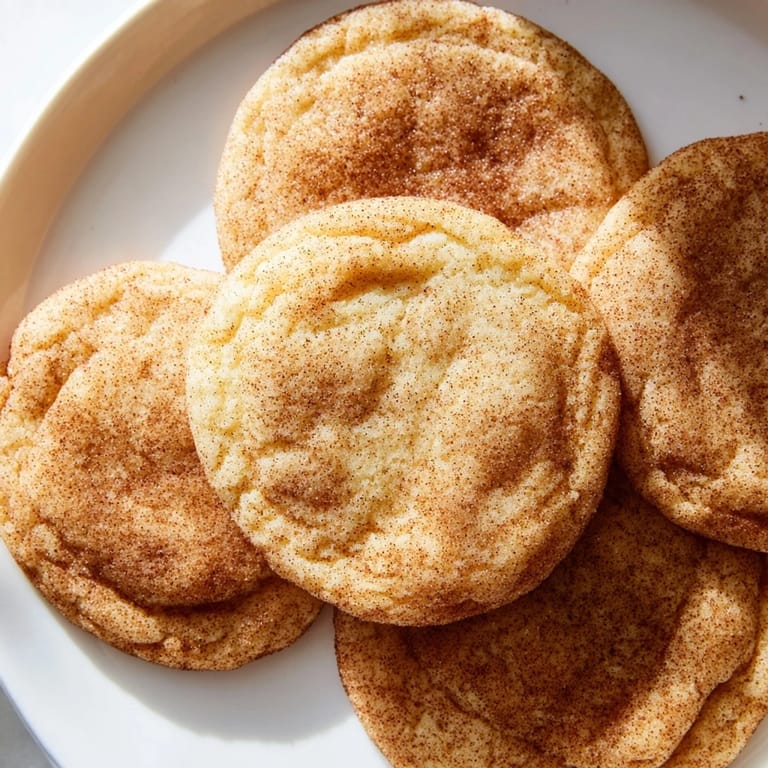
 These cookies have become my default when I need to bring something to someone's home or when I want to feel like I'm giving a piece of myself through food. They're simple enough that even first-time bakers succeed, yet interesting enough that experienced cooks appreciate them—which is perhaps the highest compliment a recipe can receive.
Recipe FAQs
- → What gives snickerdoodles their signature tang?
The tangy flavor comes from cream of tartar, an acid that reacts with baking soda to create a distinctive taste and texture.
- → How can I make snickerdoodles softer?
Underbake the cookies slightly and allow them to cool completely on the baking sheet before storing for a softer texture.
- → Can I substitute butter in the dough?
Yes, replacing half the butter with shortening can result in puffier, lighter cookies with a tender crumb.
- → What is the purpose of rolling dough in cinnamon sugar?
The cinnamon sugar coating adds a sweet, warm spice layer that enhances the cookie’s flavor and creates a slightly crisp outer texture.
- → How should snickerdoodles be stored to keep freshness?
Store them in an airtight container at room temperature for up to five days to maintain softness and flavor.